Into the Wild: Nature as a Space for Connection and Collaboration

Into the Wild: Nature as a Space for Connection and Collaboration
Something changes when we step outside. The pace slows down, our senses sharpen, and the way we relate to one another takes on a new dimension. This isn’t just true in our personal lives—it applies to the workplace as well. In recent years, more American companies and organizations have discovered that nature can be a powerful setting for teamwork, collaboration, and community. Here’s a look at why the outdoors strengthens relationships—and how you can use it to enhance team dynamics and well-being at work.
Nature as a Common Ground
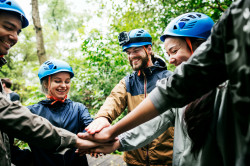
When colleagues meet beyond the office walls, the dynamics shift. Out in nature, there are no desks, hierarchies, or PowerPoint slides—just shared experiences and challenges to tackle together. This creates a “common ground,” where the focus moves from titles and roles to cooperation and presence.
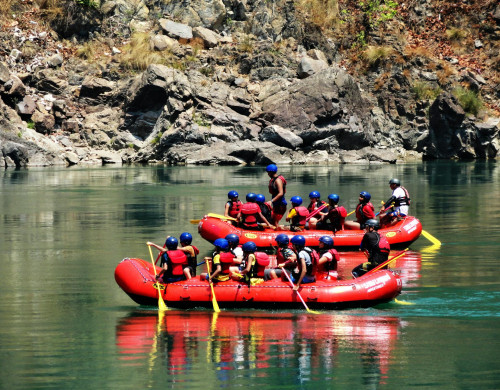
Simple activities like building a campfire, setting up a shelter, or navigating a trail with a map and compass require communication, trust, and coordination. At the same time, nature allows everyone to contribute in their own way—the quiet observer, the hands-on problem solver, and the creative thinker all find a place to shine.
Research: The Outdoors Boosts Relationships and Well-Being
A growing body of research shows that spending time in nature reduces stress, improves focus, and enhances positive emotions. When we’re outdoors, levels of the stress hormone cortisol drop, while endorphins increase. The result: we become more relaxed, open, and receptive—ideal conditions for effective teamwork.
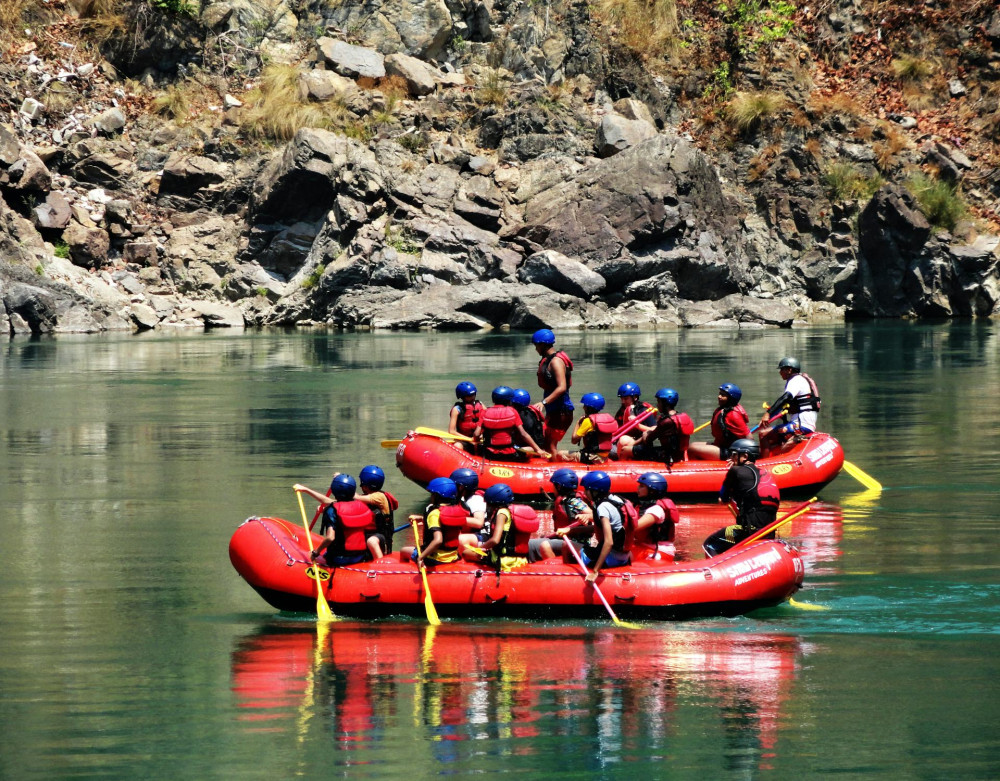
Studies also show that shared outdoor experiences strengthen social bonds. When people overcome small challenges together—crossing a stream, finding their way through the woods, or cooking over an open fire—a natural sense of trust and respect emerges. These are exactly the kinds of relationships that carry over into everyday work life.
Activities That Build Connection
There are countless ways to use nature as a setting for collaboration. It doesn’t have to involve extreme adventures or expensive retreats—often, the simplest experiences are the most powerful.
- Purposeful hikes – a group walk through a local park, forest, or along the coast offers time for conversation, reflection, and idea sharing.
- Cooking outdoors – preparing a meal together requires planning, teamwork, and patience—and the reward is immediate.
- Nature-based team challenges – cooperative games, scavenger hunts, or problem-solving tasks that use the outdoors as a playground.
- Outdoor meetings – move your next meeting outside. A couple of hours in fresh air can spark more energy and better dialogue than a long session in a conference room.
The key is to tailor the activities to your team’s needs and goals. Some groups may need to strengthen communication, others to rekindle motivation or spark creativity.
Nature as a Learning Space
Nature isn’t just a place for experiences—it’s also a powerful learning environment. It offers a tangible, sensory way to explore leadership, collaboration, and personal growth. When you’re in the middle of a challenge, learning becomes immediate and embodied.
Many U.S. companies now include outdoor programs as part of their leadership and team development efforts. These range from executive retreats in the Rockies to short workshops in nearby state parks. What they all share is the ability of nature to create a space where participants feel safe to experiment, take responsibility, and reflect on their role within the group.
How to Get Started
If you want to use nature as a framework for collaboration, start small. It doesn’t require major investments—just a willingness to move activities outside.
- Find a suitable spot – a local park, beach, or forest preserve is often enough.
- Define your purpose – are you aiming to strengthen relationships, solve problems, or simply share an experience?
- Keep it simple – nature already provides the setting; you don’t need elaborate props.
- End with reflection – talk about what you experienced and how it connects to your everyday work.
Even a short outing can bring new energy and lay the foundation for better teamwork.
Læs også:


A Sense of Belonging That Lasts
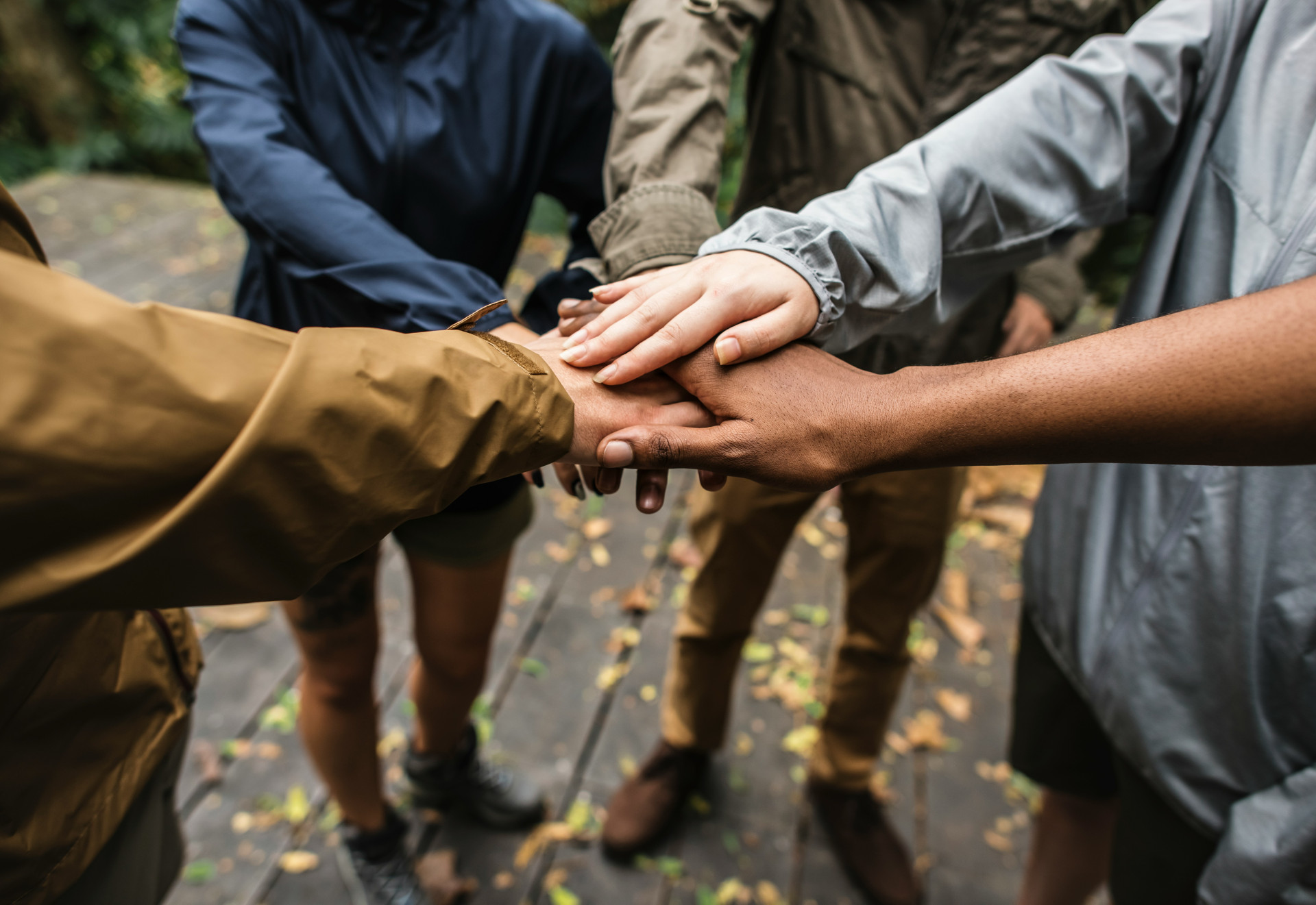
Shared experiences in nature often create a special kind of connection. It might be a laugh during a sudden rain shower, a collective triumph over a tricky challenge, or the quiet moments around a campfire. These memories become part of a shared story that strengthens relationships long after the day outdoors.
Nature reminds us that collaboration isn’t just about efficiency—it’s about humanity. When we meet outside the confines of the office, we see each other in new ways—and that can be the beginning of a stronger, more trusting community.
Læs også: