Learn from the Designers: How to Use Proportion, Texture, and Detail in Your Own Style


Learn from the Designers: How to Use Proportion, Texture, and Detail in Your Own Style
When you look at how professional designers put together an outfit, it’s rarely just about color or brand names. It’s often the subtle choices—proportion, texture, and small details—that make a look feel intentional and harmonious. The good news? You don’t need to be on a runway to use the same principles. You can apply them in your own wardrobe to create a style that feels both personal and well-balanced.
Proportion: The Balance of Shape and Volume
Proportion is about how the shapes and sizes of your clothing work together. A good balance can make your silhouette appear more harmonious, while an uneven distribution can add edge and visual interest.
A classic example is pairing something loose with something more fitted. An oversized button-down looks effortlessly chic with slim jeans, while a tailored top pairs beautifully with wide-leg trousers or a full skirt. It’s all about creating contrast so the eye has a place to rest.
Designers often talk about “visual weight”—how much attention a piece draws. If you’re wearing a jacket with strong shoulders, balance it with a simple bottom. High-waisted pants can elongate the legs and create a more proportioned silhouette.
A helpful trick is to stand in front of a mirror and notice where your eye naturally goes. If one area feels too dominant, adjust with accessories or tweak the fit until the look feels balanced.
Texture: Adding Depth and Interest
Texture is one of the most underrated tools in fashion. It’s about the surface quality of a fabric—whether it’s smooth, rough, shiny, or matte—and how different materials interact.
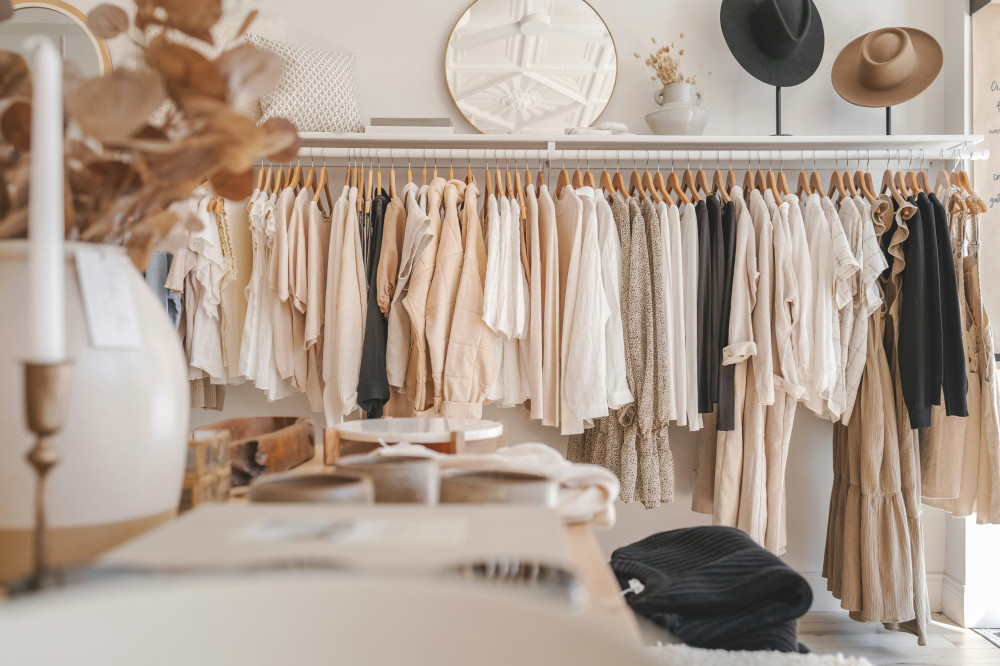
Mixing textures can add depth to an outfit, even if you’re working with neutral colors. A chunky wool sweater layered over a silk blouse, for instance, creates a beautiful contrast between rough and refined. Leather against cotton, denim with satin—it’s in these combinations that an outfit gains character.
In winter, play with layers of texture: wool, tweed, corduroy, and suede. In summer, go for lightness with linen, cotton, and sheer fabrics. Think of texture as a way to bring your clothes to life—especially if you prefer a muted color palette.
Details: The Small Things That Make a Big Difference
Details are the finishing touch. They can be stitching, buttons, jewelry, or even the way you roll your sleeves. Designers use details to tell a story—and you can do the same.
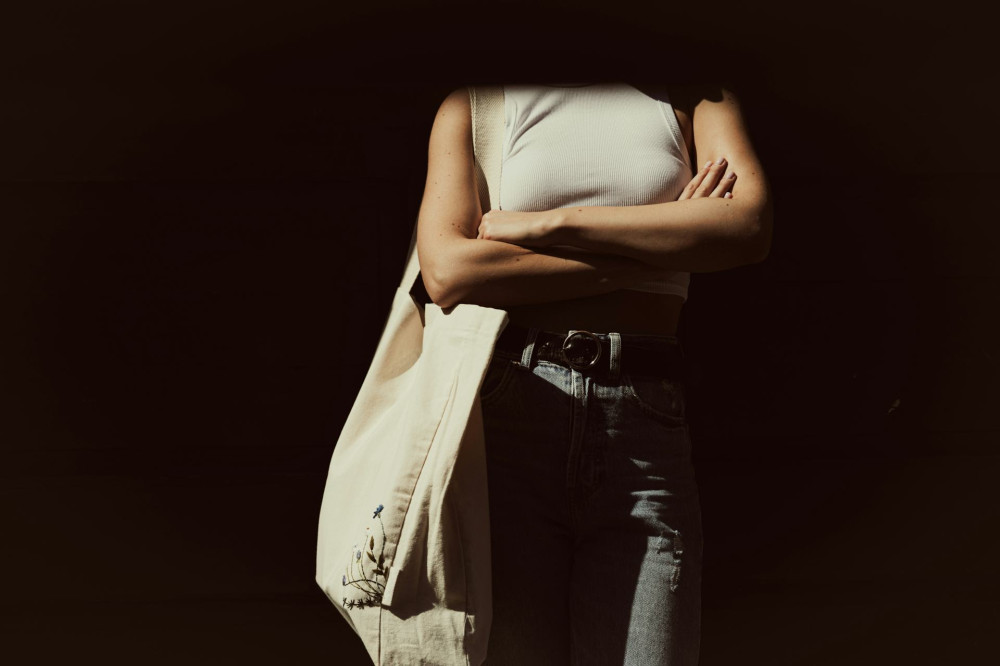
A belt can define your waist and change the entire silhouette. A cuffed pant leg can make an outfit feel more relaxed. Even your choice of shoes or bag can shift the mood from formal to casual in an instant.
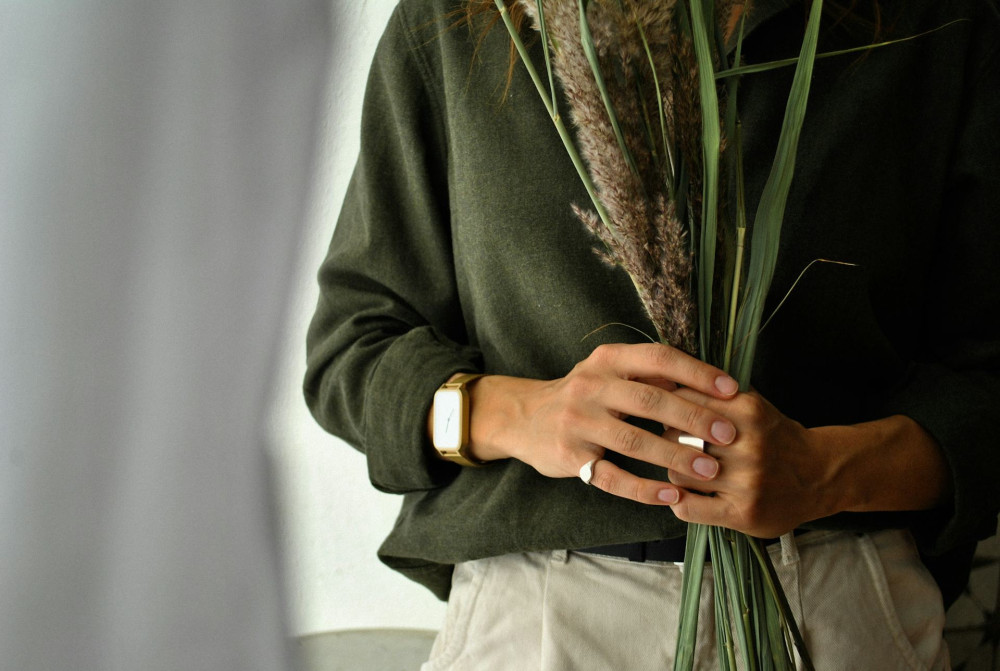
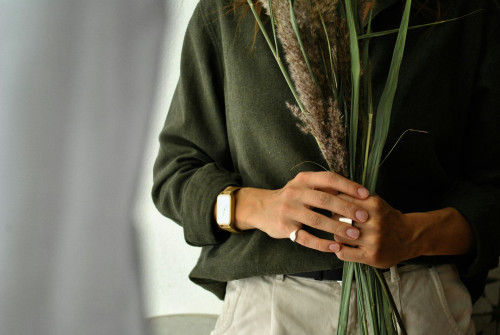
When choosing details, think about what you want to highlight. For a minimalist look, keep details few but intentional—like a single ring or a subtle seam. For a more expressive style, layer jewelry, add a brooch, or play with colorful accessories.
Finding Your Own Balance
Using proportion, texture, and detail isn’t about following strict rules—it’s about understanding how they influence the overall look. Start by observing what’s already in your closet. Which cuts flatter you most? Which fabrics feel most natural? And which small touches make you feel confident?
Try taking photos of your outfits to see how they work as a whole. You’ll often notice imbalances—or great combinations—only when you view yourself from a distance. Over time, you’ll develop an instinct for how to use these design tools to create your own signature style.
Læs også:
Inspiration from the Design World
If you want to learn more, look at how designers play with proportion and texture in their collections. Fashion weeks, lookbooks, and street style photography are great sources of inspiration. Notice how they mix contrasts—a heavy coat over a light dress, or rugged boots with a sleek suit.
But remember: the most important thing is that your style feels like you. The designers’ principles are tools, not rules. Once you understand them, you can use them freely—and create a look that’s both thoughtful and uniquely yours.
Læs også: