Sustainable Style: When Fashion Reflects Personality and Values

Sustainable Style: When Fashion Reflects Personality and Values
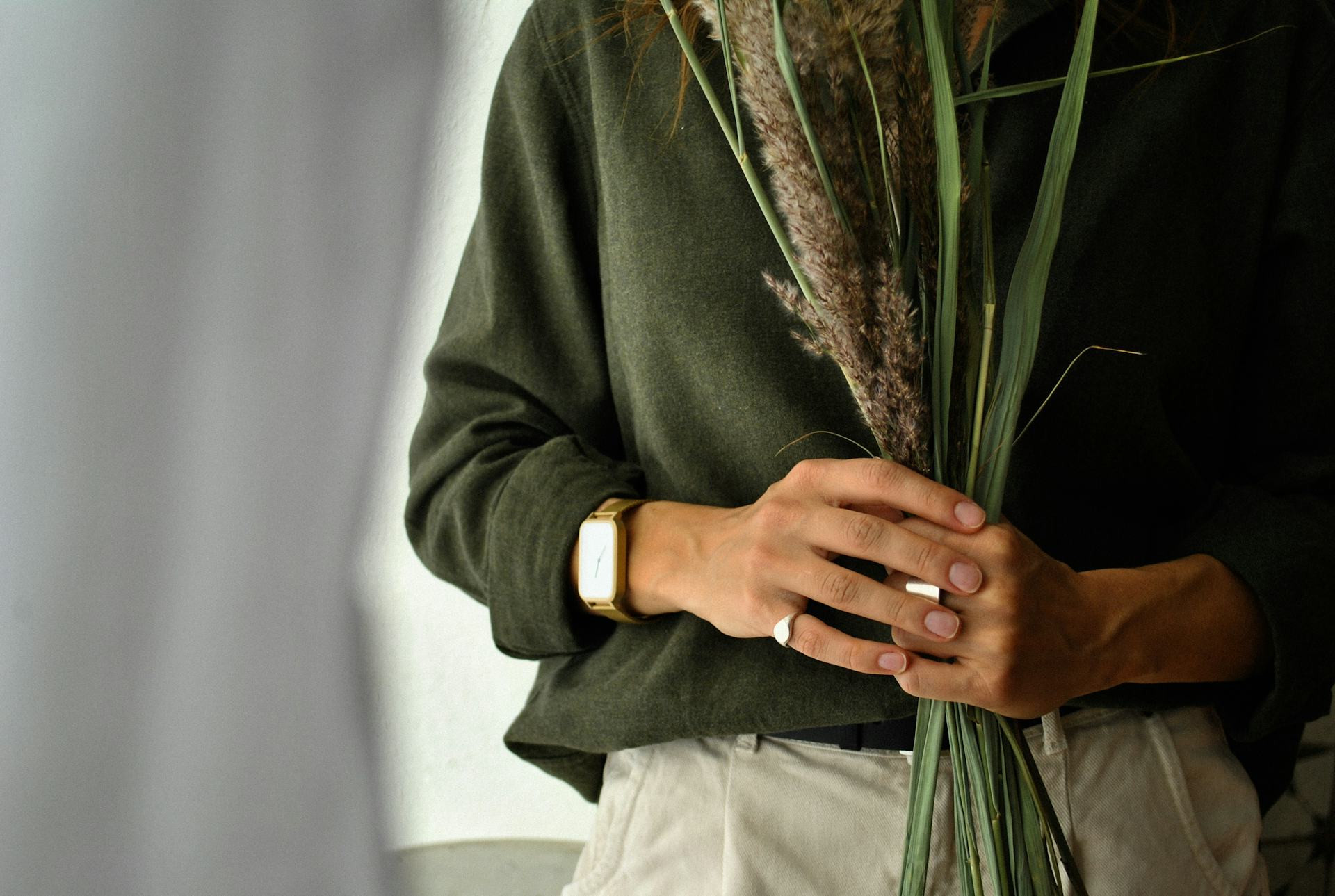
Fashion is no longer just about keeping up with the latest trends. Today, for many Americans, what we wear is also a reflection of identity, responsibility, and values. Sustainable style has become a way to express who we are—not only through colors and cuts, but through the choices we make when we buy, wear, and care for our clothes.
From Consumption to Consciousness
For decades, the fashion industry has been driven by fast cycles and cheap clothing that quickly ends up in the back of the closet—or the landfill. But in recent years, a counter-movement has gained momentum. More consumers are asking: Where does my clothing come from? Who made it? And what impact does it have on the planet?
This growing awareness has given rise to a new kind of style—one that’s not just about appearance, but about attitude. Choosing sustainable fashion has become a statement of mindfulness and respect for both people and the environment.
Quality Over Quantity
At the heart of sustainable fashion is a simple idea: buy less, but better. It’s about investing in pieces that last—in both quality and design. Timeless cuts, neutral tones, and durable materials make a wardrobe more versatile and reduce the need for constant renewal.
Many Americans are also turning to thrift stores, consignment shops, and clothing swaps. These options give wardrobes new life without adding to environmental strain. Plus, they offer a fun and creative way to discover unique pieces that reflect personal style.
Læs også:



Materials That Matter
When it comes to sustainable style, materials play a central role. Natural fibers like organic cotton, linen, and wool are popular choices because they decompose more easily and are often produced with fewer chemicals. Recycled materials—such as polyester made from plastic bottles—are also becoming more common.
But sustainability isn’t just about what clothes are made of; it’s also about how they’re made. Brands that prioritize transparency, fair wages, and responsible production methods are gaining support from consumers who want their purchases to make a difference.
Style With Personality
Dressing sustainably doesn’t mean sacrificing style. In fact, it can be an opportunity to create a more personal and authentic look. When we stop chasing fast trends, we gain the freedom to define our own aesthetic—one that feels genuine and aligns with our values.
Some people embrace minimalist wardrobes with a few carefully chosen pieces. Others mix vintage finds with modern designs. What unites them is a desire for authenticity—for clothing that tells a story and carries meaning beyond the visual.
Caring for and Extending the Life of Clothes
A sustainable approach to fashion doesn’t end at the checkout counter. How we care for our clothes has a huge impact on how long they last. Simple habits—washing in cold water, airing out instead of washing, and repairing instead of discarding—can make a big difference.
Across the U.S., repair workshops and community swap events are becoming more common, teaching people how to sew, patch, and repurpose. These initiatives not only extend the life of clothing but also foster a sense of pride and ownership.
A Movement on the Rise
Sustainable fashion is no longer a niche. Major brands are launching eco-friendly collections, and new designers are building entire businesses around ethical production. At the same time, consumers are becoming more discerning, demanding transparency and accountability.
But perhaps the biggest shift is happening in our mindset. When we start to see clothing as something to be used and valued—not just consumed—we transform our relationship with fashion. It becomes a way to express both individuality and responsibility.
Fashion as Values in Motion
Ultimately, sustainable style is about balance: between aesthetics and ethics, between individuality and community. It’s a reminder that fashion doesn’t have to be fleeting to be exciting—it can be meaningful, lasting, and aligned with the values we want to live by.
When we dress with intention, our clothes become more than fabric. They become a reflection of who we are and what we stand for.
Læs også: