The Art of Cooking: When Craft, Knowledge, and Intuition Come Together in the Kitchen

The Art of Cooking: When Craft, Knowledge, and Intuition Come Together in the Kitchen
Cooking is more than recipes and techniques—it’s a dialogue between craft, knowledge, and intuition. In a modern American kitchen, tradition meets innovation, and the skilled cook learns to balance precision with creativity. But how do you find that sweet spot where cooking becomes both a profession and an art form?
Craft – The Foundation of Every Meal
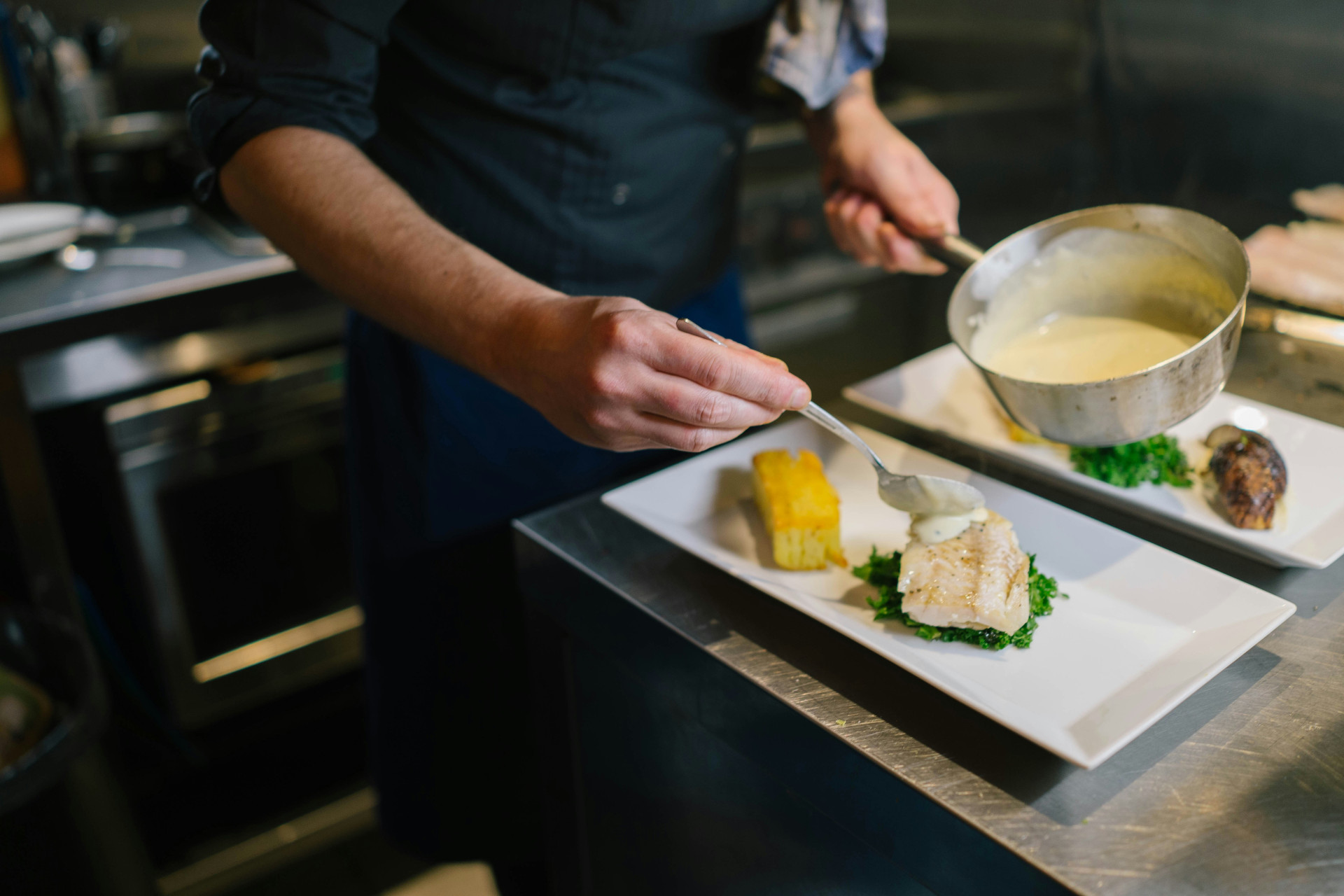
Whether you’re a professional chef or a passionate home cook, everything begins with craft. It’s about knowing how to chop, sear, boil, and bake with confidence and an understanding of your ingredients. Solid technique brings freedom—once the fundamentals are second nature, you can start to experiment.
Mastering craft takes time and repetition. The right heat on the skillet, the perfect doneness of a steak, or the silky texture of a sauce doesn’t happen by chance. It’s the result of experience and respect for detail. As many chefs say: you haven’t truly learned a dish until you can make it perfectly ten times in a row.
Læs også:

Knowledge – The Science Behind Flavor
Cooking is also a science. Chemistry, biology, and physics play a bigger role than most people realize. When you understand why a sauce breaks or how acidity balances fat, you gain control over the outcome.
Knowledge also means understanding where your ingredients come from and when they’re at their best. A tomato in July tastes nothing like one in January, and a fish caught in cold Alaskan waters has a different texture than one from the Gulf of Mexico. That awareness helps you choose the right ingredients and use them at the right time.
In recent years, many American chefs have embraced science—from fermentation and sous vide to molecular gastronomy. Yet even the most advanced techniques rest on a fundamental understanding of how flavor and texture are created.
Intuition – When Experience Becomes Instinct
There are moments in the kitchen when you stop thinking and simply know. That’s when intuition takes over. It emerges when craft and knowledge merge into instinct. You taste, adjust, and improvise—not by following a recipe, but by trusting your sense of what works.
Intuition can’t be learned from a book—it must be lived. It comes from making mistakes, tasting, trying again, and noticing how small changes affect the whole. It’s the part of cooking that makes it alive and deeply personal.
The Balance Between Structure and Freedom
The best chefs—and the happiest home cooks—find a balance between structure and freedom. Too much focus on rules can stifle creativity, while too much spontaneity can lead to chaos. The ideal cooking lies somewhere in between: where technique supports imagination, and knowledge gives you the courage to experiment.
A great example is improvisation in the kitchen. When you turn last night’s leftovers into something new, it takes craft, knowledge, and intuition. That’s where cooking becomes sustainable, creative, and deeply satisfying.
Food as Culture and Communication
The culinary arts aren’t just about taste—they’re about expression. A meal can tell stories about culture, geography, and personality. When a chef combines local ingredients with global techniques, new expressions emerge that honor tradition while pointing toward the future.
In an age when food is often shared on Instagram or TikTok, it’s easy to forget that the real value lies in the experience—the aroma, the sound, the conversation around the table. That balance between the sensory and the intellectual is the essence of cooking as an art.
When Everything Comes Together
When craft, knowledge, and intuition meet, there are moments when everything just clicks. A dish that tastes exactly as it should. A sauce that ties every element together. A guest who smiles before saying a word. In those moments, cooking becomes art—not because it’s perfect, but because it feels right.
Finding that balance takes time, patience, and curiosity. But the reward is immense: a kitchen where you don’t just make food—you create experiences.
Læs også: