When Dishes Travel: How New Food Traditions Are Born Across Cultures

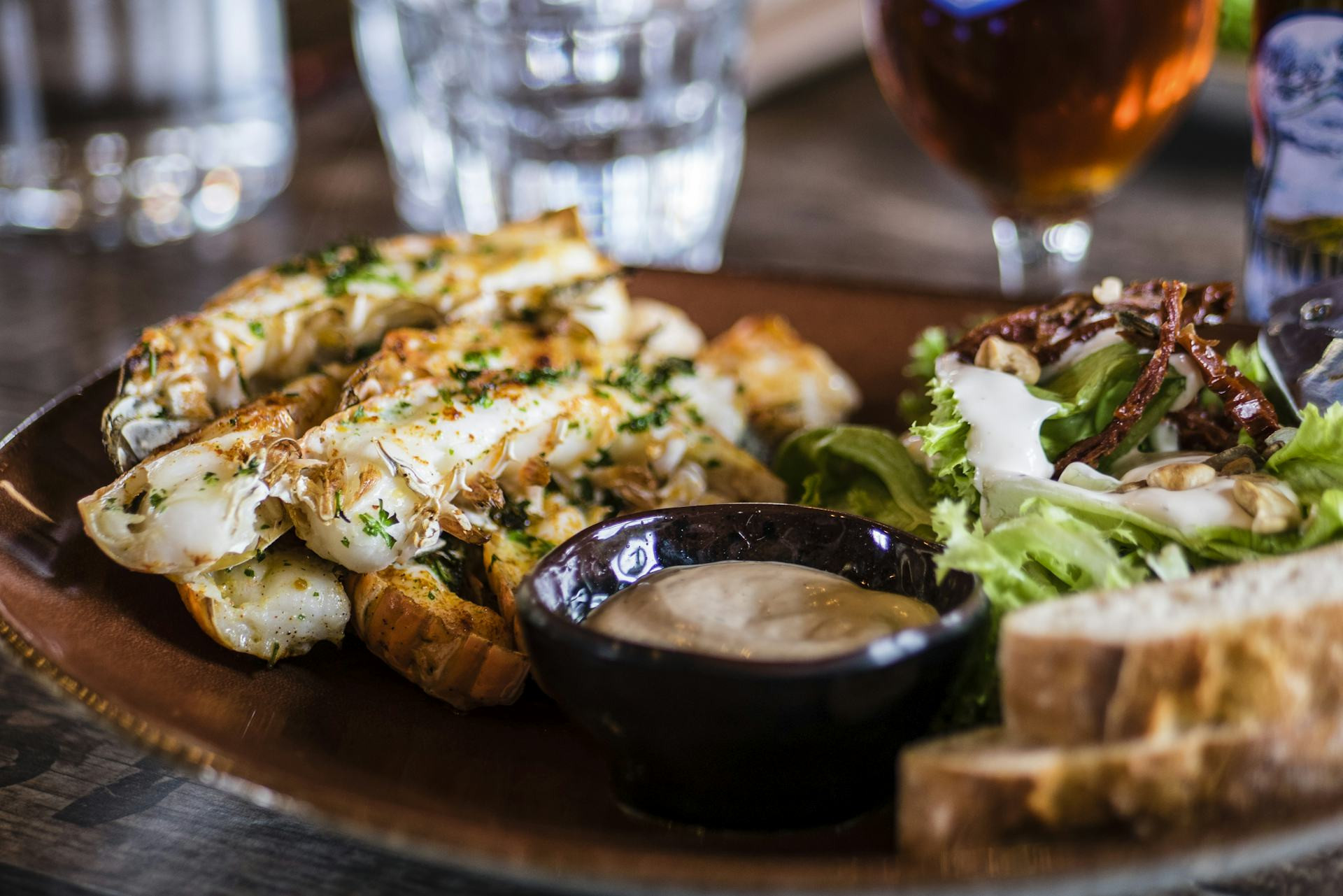
When Dishes Travel: How New Food Traditions Are Born Across Cultures
Food is more than nourishment – it’s culture, history, and identity served on a plate. When dishes cross borders, they change in form, flavor, and meaning. They become new traditions that both reflect and connect different cultures. In a globalized world where ingredients and recipes move faster than ever, new food stories are constantly being written. But how exactly does this happen when dishes travel – and what does it mean for the way we eat and understand food?
From Homeland to Global Table
When a dish leaves its country of origin, a transformation begins. Ingredients are swapped, cooking methods are adapted, and flavors are adjusted to local tastes. Think of pizza – simple and crisp in Italy, but transformed in the U.S. into the deep-dish, cheese-laden Chicago classic. Or the Vietnamese bánh mì, born from the meeting of a French baguette and Southeast Asian flavors.
These changes don’t happen by accident. They emerge when people migrate, trade, or simply grow curious about one another’s cuisines. Food becomes a language that’s translated and reinterpreted – and in the process, something new is created.
Fusion or Reinvention?
The concept of fusion food has long been popular in the culinary world. It’s about blending elements from different food cultures – Japanese sushi with Mexican chili, or Southern barbecue with Korean spices. But where is the line between creative reinvention and cultural dilution?
For some, fusion represents openness and curiosity. For others, it can feel like a superficial use of traditions without understanding their roots. That balance matters: when dishes travel, they should be met with respect for the culture they come from, while still being allowed to evolve naturally in new surroundings.
Everyday Food as Cultural Exchange
It’s not only in high-end restaurants that food cultures meet. In American grocery stores today, you’ll find ingredients that were once considered exotic: gochujang, tahini, miso, and harissa. Many families make tacos on Tuesday, sushi on Friday, or a mix of both in the same week.
These small shifts in everyday life show how globalization changes not just what we eat, but how we think about food. It’s no longer about choosing between “American” and “foreign,” but about combining the best of many worlds.
When Traditions Find New Life
Some of the most exciting food traditions emerge when immigrants adapt their cooking to new environments. In the U.S., Mexican, Indian, and Ethiopian communities have introduced dishes that are now part of the broader American food landscape. At the same time, many Americans have reimagined classic comfort foods – like mac and cheese or fried chicken – with influences from other cuisines, adding spices, herbs, or techniques from around the world.
In this way, food becomes a living tradition, constantly evolving. It tells the story of who we are – and who we’re becoming.
Food as a Common Language
When people gather around a meal, something special happens. Food can build bridges where words fall short. A shared meal can create understanding, curiosity, and respect – even among people with vastly different backgrounds.
That’s why it’s not just the taste that matters when dishes travel. It’s also the connections they create. Every time we share a recipe, we invite a small part of another culture into our own kitchen – and send a piece of ourselves out into the world.
Læs også:

A World on the Plate
Today, it’s nearly impossible to find a cuisine untouched by travel and exchange. Even the most “traditional” dishes often have roots in cultural encounters – potatoes came from South America, tomatoes from Central America, and spices from Asia. Our food is, by nature, a product of global movement.
When dishes travel, they remind us that culture is never static. It’s always in motion – just like us. And perhaps it’s in the kitchen that we can best taste how the world is connected.
Læs også: